 Lekhapora BD
Japan has one of the world’s oldest populations. Over 28% of its citizens are above 65, and this number is growing. The country has more elderly people than local workers available to care for them.
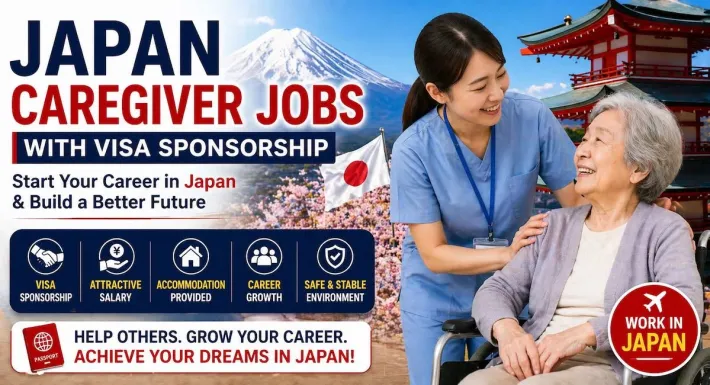
This created a massive shortage, especially in:
- Nursing homes
- Elderly care centers
- Rehabilitation clinics
- Home-visit caregiving services
Because of this, Japan actively welcomes skilled foreign caregivers and even provides legal visa sponsorship for those willing to work in the sector.
Let’s walk through what this job truly offers.
Why Japan Offers Visa Sponsorship for Caregivers
1. Urgent Workforce Shortage
According to caregiver association statistics, Japan needs hundreds of thousands of new care workers to run its growing number of elderly facilities.
2. Long-Term Employment Potential
Caregiver work is not seasonal; it’s a long-term, stable profession. This is why Japan has opened structured visa pathways.
3. High Demand = Better Benefits
Workers can enjoy:
- Sponsored visas
- Free or subsidized accommodation
- Meal allowances
- Health insurance
- Paid transportation
- Upgraded long-term visas after experience
This makes caregiving a strong career path for those who want stability abroad.
Real Story: How One Worker Changed Their Life in Japan
Let’s imagine Aisha, a 23-year-old from Bangladesh. She always wanted a job abroad but didn’t have a university degree. When she heard about Japan’s caregiver jobs requiring only basic education and entry-level training, she applied.
Within a year:
- She passed the Japanese language level N4
- Completed the caregiver skill test
- Received a job offer with visa sponsorship
- Moved to Japan
- Now earns a stable income with long-term growth
Her story mirrors thousands of real candidates who lifted their financial situation through caregiving.
Types of Caregiver Visas in Japan
Japan offers multiple visa types, but the one most foreign caregivers use is the Specified Skilled Worker Visa (SSW).
1. Specified Skilled Worker (SSW-1) – Caregiver Track
This is the most popular visa for foreign caregivers.
You can apply if you:
- Pass the Caregiver Skills Test
- Pass the Nursing Care Japanese Language Test
- Have JLPT N4 (or JFT Basic A2)
- Get an approved employer in Japan
- Have a valid job contract
Validity:
1 year or 6 months (renewable up to 5 years)
Work Allowed:
Full-time caregiving at elderly care homes, rehab centers, and wellness facilities.
2. Technical Intern Training Program (TITP) – Care Worker
This is for entry-level trainees.
Features:
- 3–5 year structured training
- No advanced Japanese needed at the start
- Employer provides training, accommodation, and support
Many trainees later switch to SSW-1 and stay longer.
3. SSW-2 (Advanced Caregiver Visa)
After gaining strong experience and passing higher-level exams, workers can upgrade to SSW-2 which allows:
- Long-term residency possibilities
- Job stability
- Family visa opportunities
This route is highly rewarding for committed workers.
What Caregivers Do in Japan
Japan believes in respectful, compassionate elderly care. The role is more emotional and supportive than medical.
Daily Responsibilities Include:
- Assisting with walking and mobility
- Helping with bathing and dressing
- Serving meals and supporting with feeding
- Monitoring patient comfort
- Companionship and conversation
- Light cleaning and room organization
- Maintaining patient daily records
- Guiding patients during exercises
- Supporting rehabilitation activities
Most facilities follow structured training schedules, so beginners can learn quickly.
Salary and Benefits of Caregiver Jobs in Japan
Average Monthly Salary:
¥170,000 – ¥250,000 (varies by region and employer)
Benefits May Include:
- Visa sponsorship
- Bonus payments twice a year
- Subsidized housing or dormitory
- Transportation allowance
- Overtime pay
- Free uniforms
- Health and pension insurance
- Paid leave
- Japanese language classes
- Career upgrade training
Many employers also provide meal discounts or free meals.
Who Can Apply for Japan Caregiver Jobs?
The requirements are surprisingly achievable.
Eligibility Checklist:
- Minimum high school/SSC level education
- Age 18+
- Physically fit
- Willing to work in elderly care
- Basic Japanese language skills (JLPT N4 or equivalent)
- Clean police clearance
- Medical fitness certificate
You don’t need nursing background or prior experience.
Required Exams for SSW Caregiver Visa
You must pass two types of exams.
1. Nursing Care Skills Evaluation Test
Includes:
- Bed making
- Clothing assistance
- Supportive communication
- Meal assistance
- Basic mobility support
2. Nursing Care Japanese Language Evaluation Test
Focuses on:
- Understanding instructions
- Basic health terminology
- Elderly care vocabulary
3. JLPT N4 or JFT-Basic
This is general Japanese language certification.
Tip: Many applicants complete N4 within 4–6 months of study.
Step-by-Step: How to Apply for Japan Caregiver Jobs With Visa Sponsorship
Here is a simple, beginner-friendly roadmap.
Step 1: Learn Basic Japanese (JLPT N4)
Start with:
- Listening
- Basic grammar
- Everyday conversations
- Caregiving vocabulary
Online classes or local coaching centers help a lot.
Step 2: Pass Required Caregiver Skill & Language Exams
These tests are essential to qualify for the visa.
Step 3: Find a Licensed Employer or Agency in Japan
Options include:
- Nursing homes
- Rehabilitation centers
- Assisted living facilities
- Home-visit elder care agencies
Many employers assist with visa paperwork.
Step 4: Job Interview + Offer Letter
Interviews may be:
- Online (Zoom)
- Through recruitment agencies
- Direct hiring events
Once selected, you receive an official offer letter.
Step 5: Employer Applies for Certificate of Eligibility (COE)
COE is the most important step.
Your employer submits:
- Your passport copy
- Exam results
- Employment contract
- Sponsorship documents
Step 6: Apply for Japan Work Visa From Your Home Country
Submit COE and required documents to the Japan Embassy.
Step 7: Fly to Japan and Start Work
Upon arrival, you’ll receive:
- Residence Card
- Orientation
- Basic training
- Work schedule
Life in Japan as a Caregiver: What to Expect
1. Clean, Safe, and Organized Environment
Japan provides high standards of work facilities.
2. Respectful Culture
Elderly people in Japan are treated with deep respect.
3. Multinational Workforce
You’ll meet caregivers from:
- Philippines
- Nepal
- Bangladesh
- Vietnam
- Sri Lanka
- India
- Indonesia
4. Opportunities to Grow
Promotion options include:
- Senior caregiver
- Team leader
- Training specialist
- Nursing assistant
- SSW-2 advanced worker
Tips to Become a Successful Caregiver in Japan
- Learn Japanese conversation daily
- Be patient and calm with elderly residents
- Show empathy and respect
- Maintain physical fitness
- Follow rules strictly (Japanese workplaces are disciplined)
- Keep learning new skills
These simple habits make your journey easier.
Future Opportunities After Working as a Caregiver in Japan
Caregiver work opens multiple long-term opportunities:
- Long-term work contracts
- Eligibility for advanced visa types
- Career promotion
- High-paying senior roles
- Permanent residency pathway (indirect, through long employment)
Japan values loyalty, so long-term workers are rewarded.
5 Frequently Asked Questions (FAQs)
1. Do I need a nursing degree to apply?
No. Basic education and caregiver tests are enough. Japan provides training.
2. Can beginners apply for caregiver jobs?
Yes! Many caregivers start with zero experience and gain skills during training.
3. How long does it take to get the visa?
COE approval may take 1–3 months depending on employer and documents.
4. Can I bring my family on a caregiver visa?
Not under SSW-1.
But with SSW-2 (advanced level), family visa is possible.
5. What is the working schedule like?
Shift-based work:
- Morning
- Evening
- Night shifts (additional pay)
Working hours often range between 8–10 hours daily.
Conclusion
Japan’s caregiver jobs with visa sponsorship are one of the most accessible and rewarding opportunities for foreign workers. With a rising demand for caregivers, stable salaries, and long-term career possibilities, thousands of international applicants are choosing Japan as their career destination.
Whether you’re starting fresh or looking to build a secure career abroad, Japan offers a supportive, structured, and fulfilling caregiving environment. With proper preparation—especially learning basic Japanese—you can build a stable future while making a meaningful impact in people’s lives.
If you prepare well and follow the steps in this guide, your dream of working in Japan as a caregiver is absolutely within reach